All work James Pieter Djibu

Analysis of The Minimum Wage & The Gig Economy of Indonesia

Labor Economics

A 2011 study found that unemployment pushes workers into the gig economy. Indonesia’s labour market has changed a lot since then. This project tests whether that finding still holds today, and how minimum-wage policy fits in.
Status In progress
Context Economics, Nagoya University
Focus Minimum wage, gig work, macroeconomic drivers
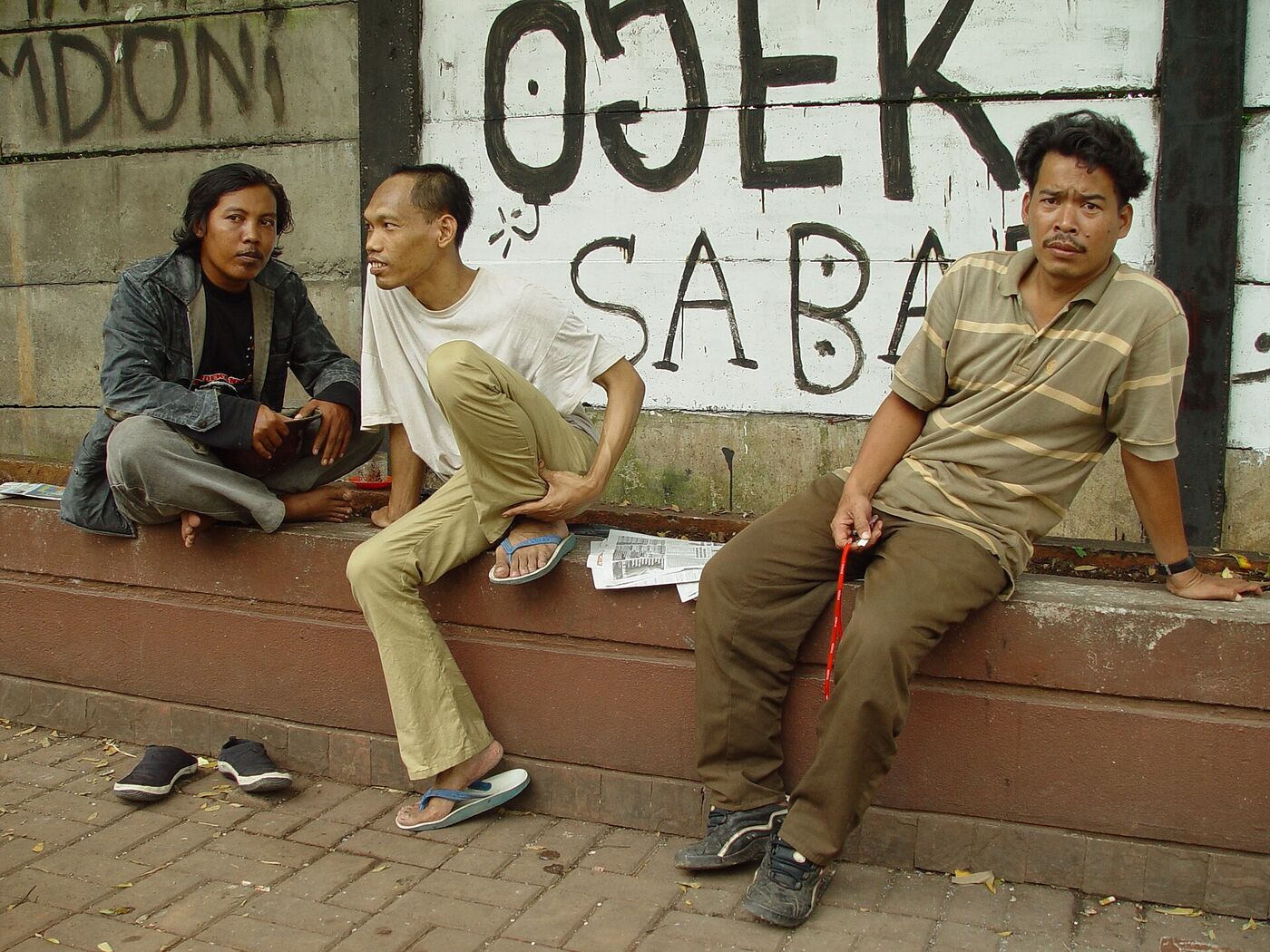
Three ojek motorbike-taxi drivers waiting by a painted OJEK sign in Jakarta
Ojek drivers waiting for fares in Jakarta, 2004, before the ride-hailing apps.

Question

Does unemployment still push Indonesian workers into gig work?

Ride-hailing, delivery and platform work have grown quickly in Indonesia. If unemployment is still the main push factor, gig work acts as a safety net. If it isn’t, something else, such as minimum-wage levels or the platforms themselves, is drawing people in.
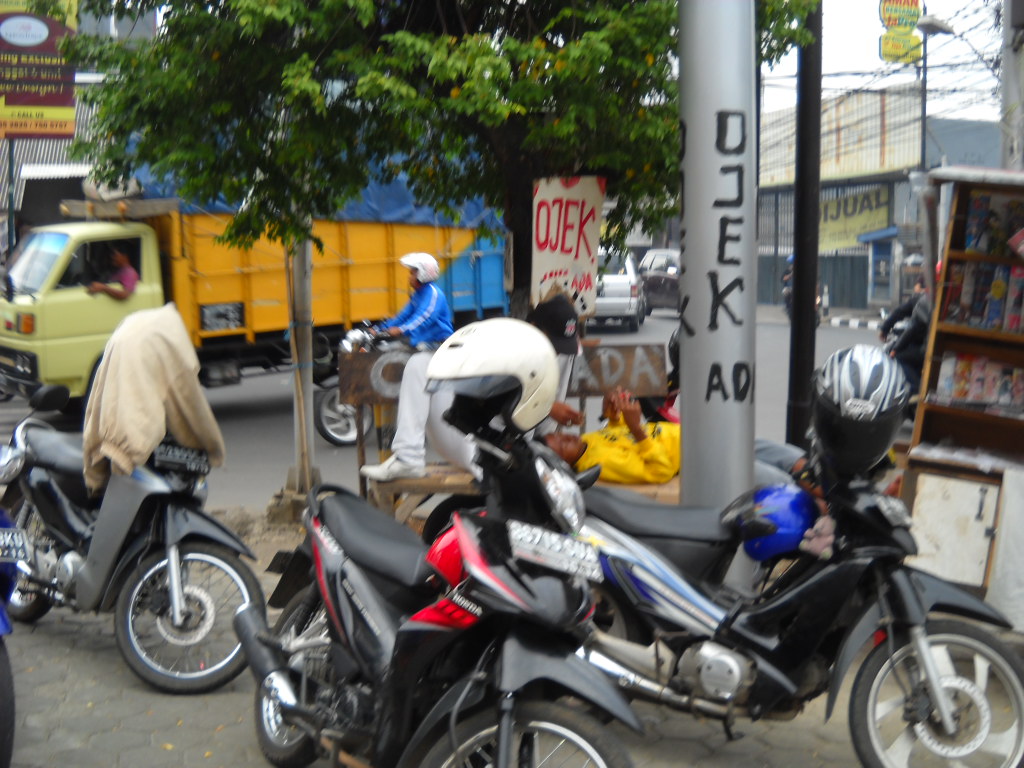
Motorbikes parked at a roadside ojek stand in Jakarta, with OJEK painted on a pole
An ojek stand in Jakarta, 2011: informal motorbike taxis waiting at the roadside.
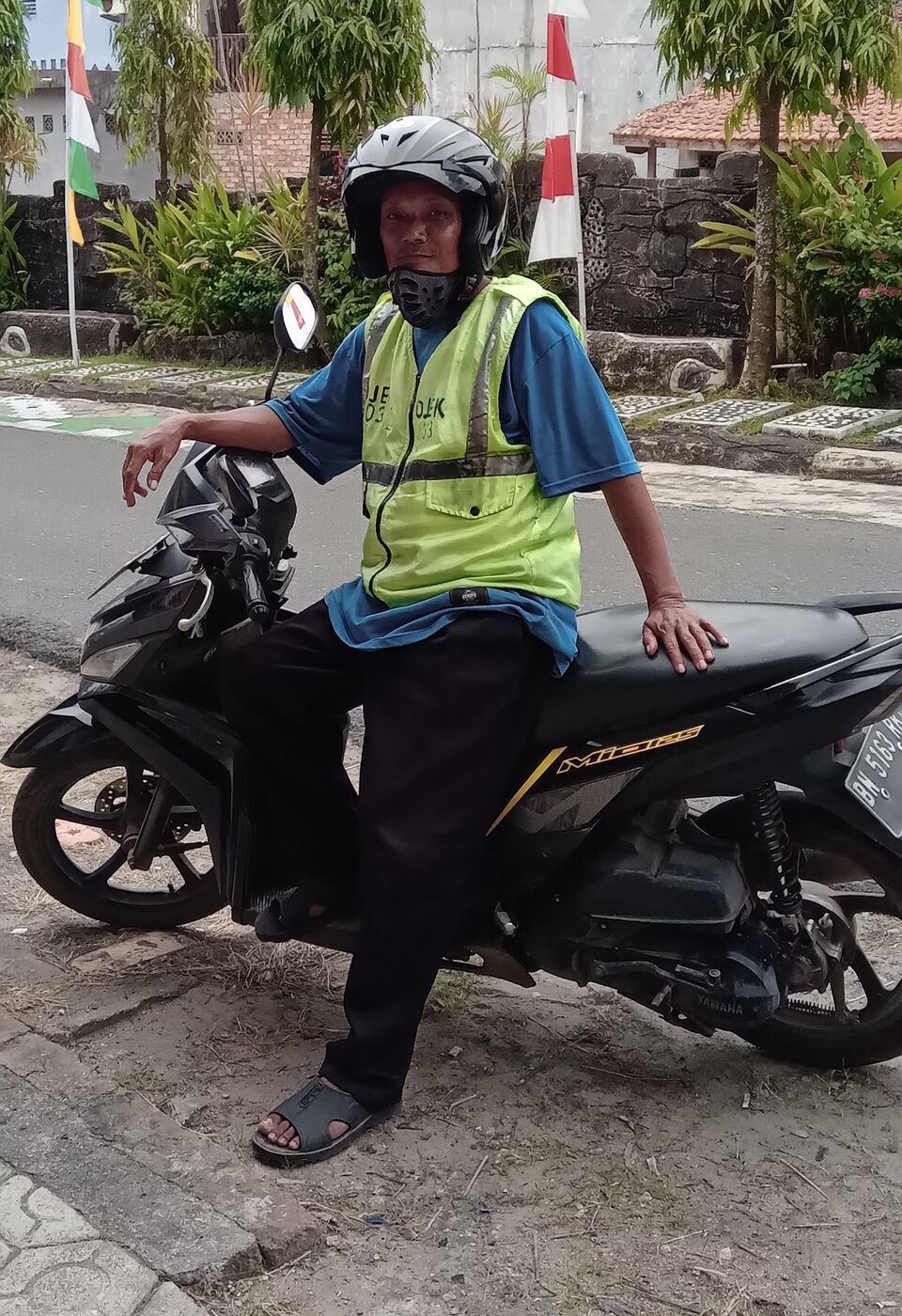
An ojek driver in a high-visibility vest sitting on his motorbike in Mentok, Bangka Island
An ojek driver in Mentok, Bangka Island, 2022.

Scope

  • Minimum wage in Indonesia and the macroeconomic factors that drive it.
  • The unemployment to gig economy link reported in the 2011 study, re-tested on current data.
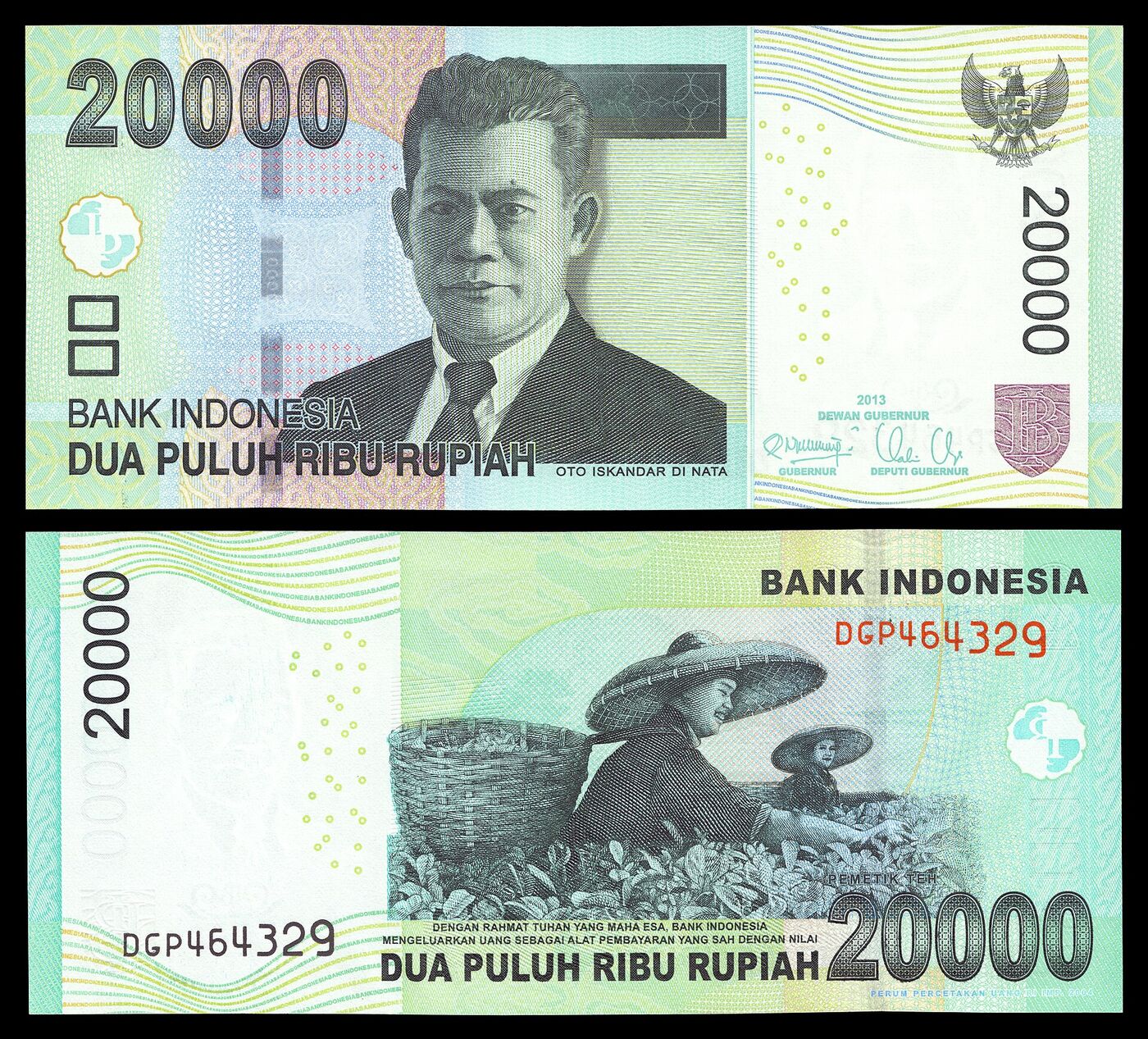
Front and back of an Indonesian 20,000 rupiah banknote
A 20,000 rupiah note. Minimum wages in Indonesia are set by each province.
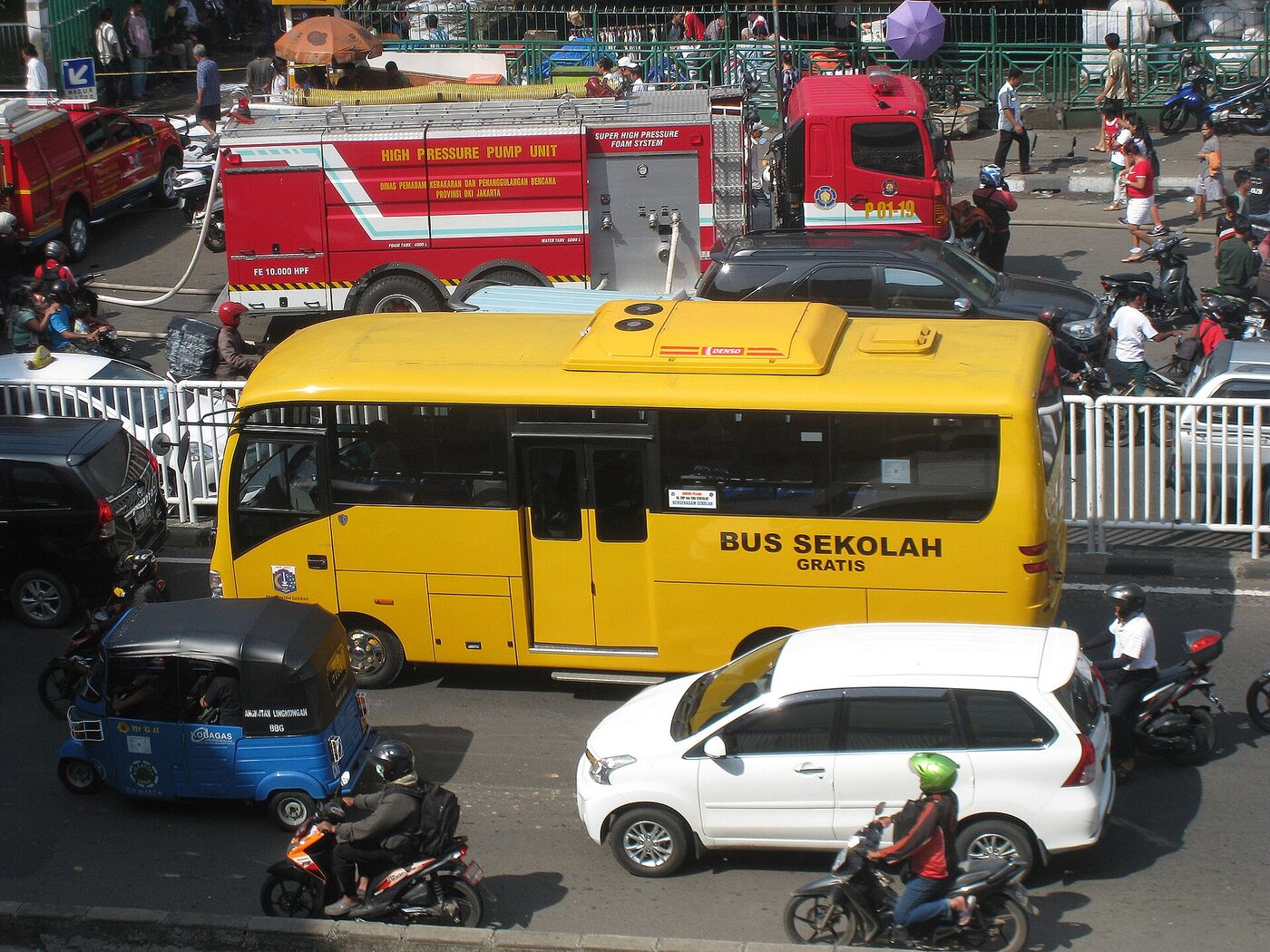
Heavy traffic in central Jakarta with a school bus, a bajaj and motorbike riders, one in a green app-driver helmet
Traffic in Senen, Central Jakarta, 2014, with an app-based motorbike driver in the green helmet.

Status

The analysis is under way. Results, data sources and the regression output will be published here when it is complete.

Image Processing & Water Quality Analysis Next case study